Join the Conference
U-POP & LUTD 2026
U-POP & LUTD 2026: A Global Consensus Conference on the Primary Surgical Management of Uterovaginal Prolapse and Lower Urinary Tract Dysfunction
On behalf of the organizing committee, it is a pleasure to announce a truly global consensus meeting including key opinion leaders from all over the world brought together to discuss controversies in surgical management of primary uterovaginal prolapse, associated symptoms, preoperative assessment, outcomes, and complication mitigation. Attendance is by invitation only.
Primary Goals
- To develop a consensus on clinical and controversial aspects of primary surgical management of uterovaginal prolapse & Lower Urinary Tract Symptoms.
- To establish attainable targets in best practice for surgical indications, pre-operative assessment, surgical techniques, patient-reported outcomes, and complication mitigation.
Attendees
-
Global key opinion leaders in U-POP assessment, treatment and complication management.
-
NIH Program officer from NICHD Gynecology branch
-
Fellows and young researchers in the field.
-
Representatives from selected companies and foundations seeking to provide evidence-based treatment options for POP and develop new therapies for U-POP.
-
Patient support group for patient-reported outcomes development.
Hosted By
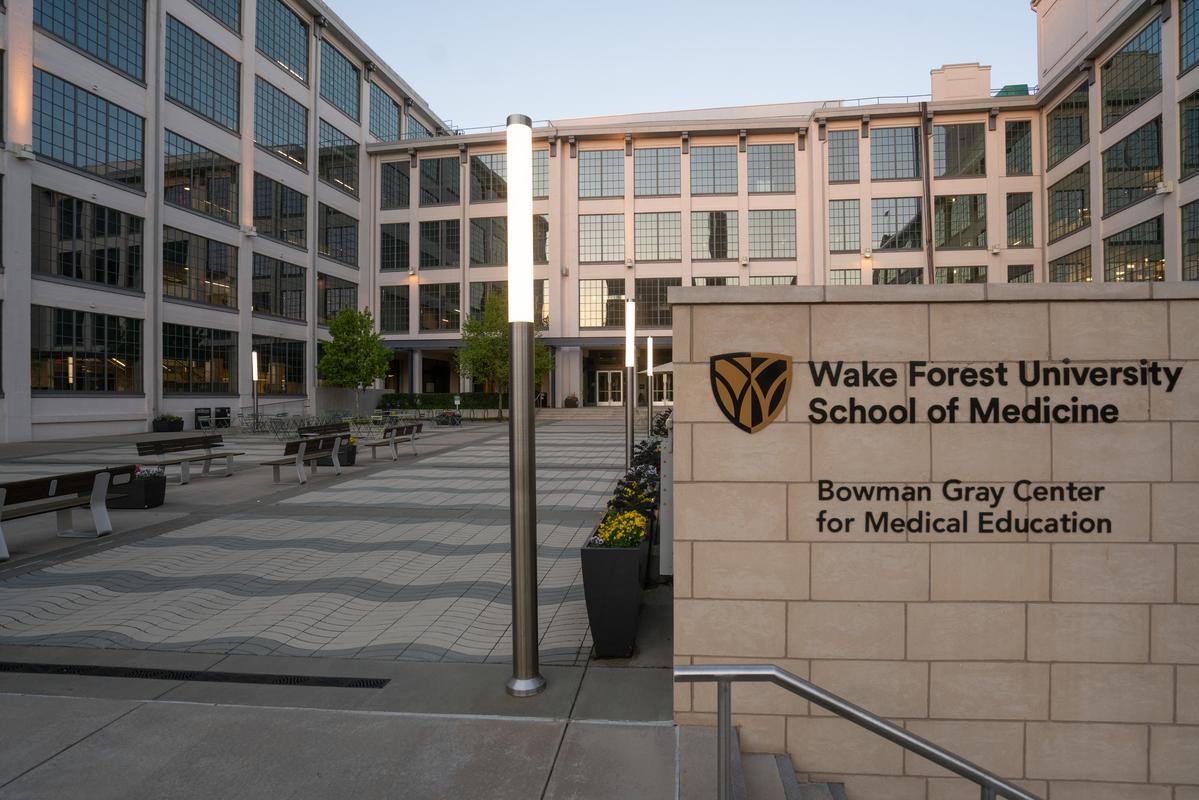
Wake Forest University School of Medicine Department of Urology, Division of Urogynecology and Pelvic Reconstructive Surgery

Publishing Timeline
-
IUJ Submission June 1, 2026
-
Deadline for initial reviews is Mid-July
-
Revisions are Due Mid-August
-
Final editorial reviews due Mid-September
-
Special issue published online late October/ Print version in November
Affiliate Organizations
-
AUGS
-
IUGA
-
SUFU
Supported by
- Wake Forest Institute of Regenerative Medicine
- NICHD, Gynecologic Health& Disease Branch (GHDB): Pending Grant submitted
- Foundation for Female Health Awareness
- Neomedic
- Coloplast
- Industry sponsorship TBD
ORGANIZING COMMITTEE
CHAIRS

Catherine Matthews, MD, FACS, FACOG
Prof of Urogynecology & OBGYN
Chair, IUGA Surgical Education
Wake Forest University School of Medicine

Gopal H Badlani, MD
Wake Forest University
School of Medicine
Co-Chair, Facilitator
CO-CHAIRS

Prof Anna Rosamilia MBBS, FRANZCOG, FRCOG, CU, PhD
Head of Pelvic Floor Unit
Monash Medical Centre, Southern Health
President IUGA

Ankita Gupta, MD
Assoc Fellowship Director,
Urogynecology and Reconstructive Pelvic Surgery,
University of Louisville Health

Anne Pelletier Cameron MD, FRCSC, URPS
The James Montie Legacy Prof of Urology
Vice Chair Academic Affairs and Service Chief
University of Michigan

Cara Grimes, MD, MAS, FACOG
Prof of Obstetrics and Gynecology
Vice-Chair of Research and Faculty Development
Albany Medical College

Donna Mazloomdoost, MD
Associate Prof of Obstetrics and Gynecology
Virginia Commonwealth University
NICHD Pelvic Floor Disorders Network

Dudley Robinson, MBBS, MD, FRCOG
Consultant Obstetrician and Gynecologist
Research and Development Lead in Women’s Services
Kings College Hospital, London

Jan Deprest, MD, PhD, FRCOG
Prof of Obstetrics and Gynecology
University Hospitals Leuven, Belgium
University College London

Maria Bortolini, MD, PhD
Researcher and Professor
Sector of Urogynecology and Pelvic Floor Reconstructive Surgery
Universidade Federal de São Paulo – São Paulo, Brazil

Victor W. Nitti, MD
Prof of Urology and OBGYN
Shlomo Raz Chair in Urology/ Division Chief of URPS
David Geffen School of Medicine at UCLA

Amy Sisson, MS, MLS
Research & Instruction Librarian
Coy C. Carpenter Library
Wake Forest University Medical School
U-POP 2026 Global Consensus Conference
April 20th - 21st 2026
Tentative schedule and meeting program.
DOWNLOAD PROGRAM (Tentative Program. Subject to change.)
16:00
Hotel Check-In
Hotel Check-In
150
Hotel Lobby
18:30
Dinner
Dinner
120min
TBD
08:00
Day 1 of Meeting
Day 1 of Meeting
540min
19:00
Dinner
Dinner
120min
TBD
08:00
Day 2 of Meeting
Day 2 of Meeting
450min
SUB-COMMITTEES
Indications for surgery: Assessment of Patient Factors
Overarching clinical questions:
- What risk factors are associated with failure of surgical intervention for primary uterovaginal POP and based on this, can one identify a “high risk phenotype”
- Which risk factors confer increased risk for future pathology of cervix and uterus that suggests need for hysterectomy for primary intervention.
- Which risk factors confer increased risk for surgical complications, and based on this, can one identify a “high risk phenotype” for transvaginal vs intra-abdominal complications.
2. Indications for surgery: Assessment and management of Urinary symptoms in women with primary uterovaginal prolapse
Overarching clinical questions:
- For patients with primary uterovaginal prolapse, what is the preferred method of pre-operative evaluation of urinary symptoms?
- What is the impact of different surgeries for uterovaginal prolapse ALONE on LUTD (no concomitant sling)?
- What is the impact of different surgeries for uterovaginal prolapse PLUS incontinence procedure on LUTD?
- How should occult and symptomatic SUI be managed at the time of U-POP repair?
Role of preoperative diagnostic testing
Overarching clinical questions:
- What is the minimum necessary pre-operative diagnostic testing for primary U-POP?
- Is there any pre-operative diagnostic test criteria/result that has been shown to change surgical intervention or improve outcomes for primary U-POP?
- How should symptoms of obstructed defecation and/or rectal prolapse be investigated in women with primary uterovaginal prolapse?
Surgical interventions for uterovaginal prolapse: Define ideal patient phenotype for each procedure and “best practice” surgical technique/approach.
Overarching clinical questions
- Does evidence exist to support specific surgical techniques within each procedure:
- Colpocleisis
- Hysteropexy with native tissue
- Hysteropexy with mesh
- Manchester procedure
- Hysterectomy with native tissue apical suspension
- Hysterectomy with Sacrocolpopexy
- Combined treatment of uterovaginal prolapse and rectal prolapse
- Vnotes hysterectomy + USLS
Management of complications: Surgical
Overarching clinical questions:
- What is the frequency of major intraoperative adverse events for each primary procedure for uterovaginal prolapse
- Are there any identified risk factors for:
- Visceral injury
- Vascular injury
- Nerve injury
- Deep pelvic infection
- Sacral discitis
- Develop management strategy for common surgical complications of uterovaginal prolapse repair.
Management of complications: Functional
Overarching clinical questions:
- Compare the prevalence of the following functional conditions across different procedures for primary uterovaginal prolapse:
- Persistent or de novo lower urinary tract symptoms
- Voiding dysfunction
- Obstructed defecation
- Pain
- Sexual function
- Define the preferred evaluation and management strategy for the above symptoms.
Augmenting/Alternative materials for Primary UPOP repair
Overarching clinical questions:
- Is there a preferred autologous, allograft, or biologic material for primary uterovaginal prolapse repair?
- Are there any novel cell-based, laser energy or regenerative therapies that could PRECLUDE surgery?
- What are the critical outcomes for augmented repair outcome assessment?
Patient reported outcomes
Tasks:
- Determine global definition of uterovaginal POP “success”
- Determine best methods to record PROs such as phone applications.
Registries and outcome standardization
Tasks:
- Determine global definition of uterovaginal POP “success”
- Determine best methods to record PROs
Role/influence of Industry /Role in simulation and surgical education
Overarching clinical questions:
- Define best practice for industry involvement in clinical trials
- Define best practice for industry engagement in surgical education, particularly simulation.
Major unanswered clinical questions and international research agenda
Tasks:
- Identify the major unanswered clinical questions regarding the surgical management of primary U-POP and prioritize a research agenda.
- Determine the preferred surgical management of primary uterovaginal prolapse in LMIC settings where resources are limited.
SPONSORS
SOCIETY OF URODYNAMICS, FEMALE PELVIC MEDICINE & UROGENITAL RECONSTRUCTION (SUFU)

International Urogynecology Journal

SPONSORSHIP OPPORTUNITIES
Conference sponsorship will give you unparalleled access to over 120 global leaders in urology, urogynecology and gynecology.
VIEW PROSPECTUSColoplast

Neomedic International

Boston Scientific

Rajdeep Media Production

Medtronic

AUGS

Foundation for Female Health Awareness



GALLERY
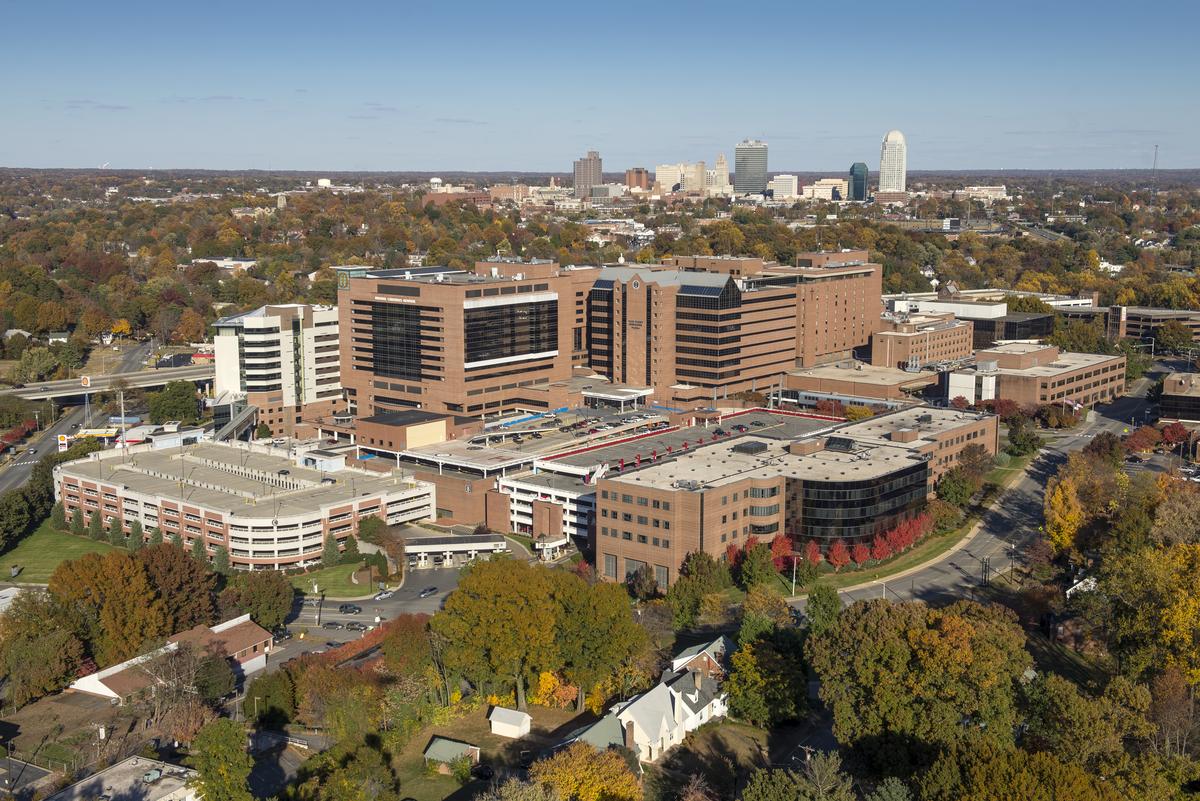
Assorted images from WS, WFIRM, and the Biotechnology center.